


Malaysia Aviation Group expands network and upgrades cabin
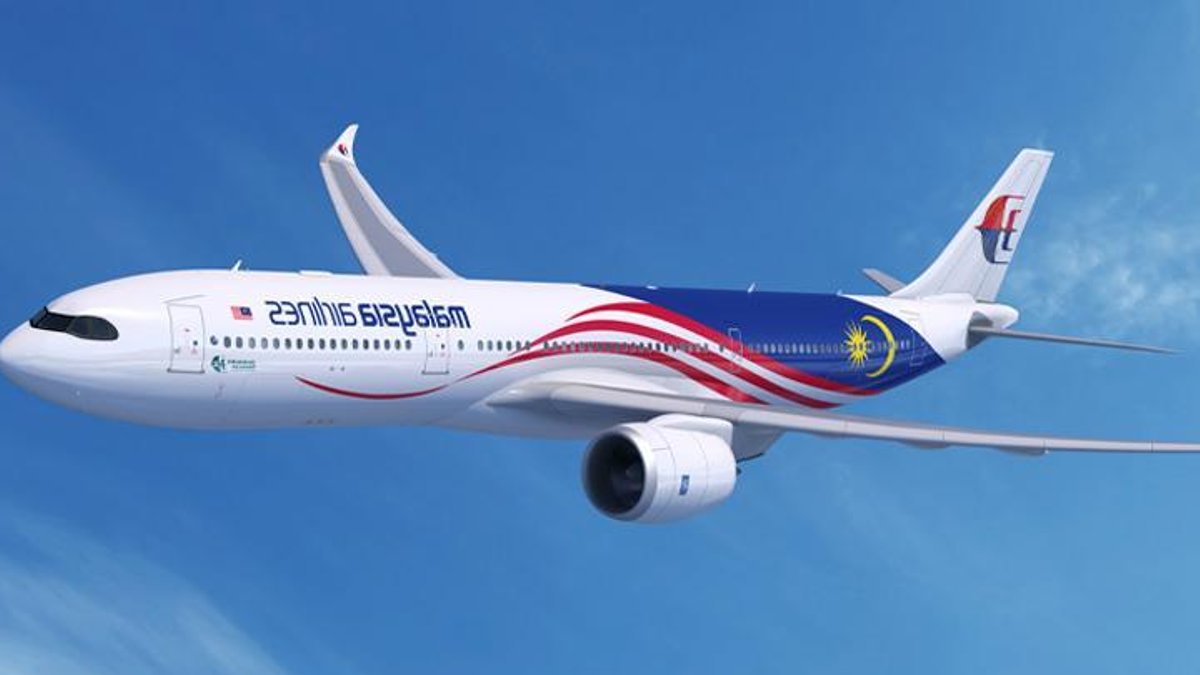
Malaysia Aviation Group outlined a series of route launches and service upgrades as part of its Long‑Term Business Plan 3.0, aiming to broaden regional links and raise cabin standards. The conglomerate, which includes the national carrier, a budget subsidiary, and an in‑flight catering division, intends to position the country as a central gateway for travelers moving across Southeast Asia and beyond.
Network growth under LTBP3.0
The flagship airline will resume flights to Busan on 2 December 2026, offering four weekly services with Boeing 737‑8 jets. This will be the sole nonstop link between Kuala Lumpur and South Korea’s second‑largest city, complementing existing Seoul connections.
Plans are also under way to add another South‑Asian destination, reflecting a push to meet shifting travel demand.
The low‑cost carrier will soon open a direct route to Kunming, using Boeing 737‑800 aircraft. Further details, including the commencement of ticket sales, will be announced in due course.
Read Also: MoCA, AAI simplify aviation NOC process
Additional capacity is slated for three Asian‑Pacific routes. Flights to Fukuoka will rise from five weekly legs to daily service starting 1 December 2026, after a September 2 2026 resumption. Brisbane flights will shift from six weekly flights to daily operations on 25 October 2026, employing new‑generation A330neo jets. From 1 November 2026, two more weekly services will connect to Surabaya, taking the total to sixteen.
Travelers will notice the changes.
Enhanced onboard services
Since insourcing its catering in 2023, the airline’s in‑flight dining satisfaction climbed from 72 % to 78 %, while on‑time catering hit 99.9 %. The catering arm, established in September 2025, is set to expand further. New menus emphasize locally sourced ingredients, aiming to showcase Malaysian flavors to an international audience. Sustainability measures include reduced single‑use plastics and a greater proportion of recyclable packaging, reflecting industry trends toward greener operations.
From 1 September 2026, families will see new products such as a Safari Activity Pack, Kids Headphones and Baby Blankets, each sized for different ages and flight lengths.
The moves echo the group’s broader aim to improve the passenger journey from the gate onward. By standardizing service elements across both full‑service and low‑cost brands, the organization hopes to deliver a consistent level of quality that encourages brand loyalty.
Read Also: Frasers Hospitality opens Fraser Residence Putrajaya
Infrastructure and future targets
Groundwork began in July 2026 for a dedicated in‑flight catering facility near KLIA. Completion is targeted for the fourth quarter of 2028, with operations expected in the second quarter of 2029. The plant will produce roughly 50,000 meals daily and generate new jobs. Local suppliers have been invited to bid for contracts, creating opportunities for small and medium‑size enterprises to participate in the aviation supply chain.
Regulatory approvals have been secured, including a Ground Handling Licence and a Technical Approval Certificate from the Civil Aviation Authority of Malaysia, plus an interim Manufacturing Licence from the Malaysian Investment Development Authority. These clearances enable the facility to meet international safety standards and to export prepared meals to partner airlines operating in the region.
In the middle of these expansions, the group’s strategy resembles past phases where route additions were paired with service upgrades, suggesting a pattern of coordinated growth rather than isolated moves. Executive Captain Nasaruddin A. Bakar said the hub’s strengthening must be matched by an upgraded onboard experience, noting that the catering venture will help deliver consistent, high‑quality meals as the network widens.
These initiatives support the national tourism push for Visit Malaysia 2026 and align with the carrier’s ambition to rank among the world’s top ten airlines by 2030.
Related Articles


 Landmark Guides